Membership / Renewal Form
पुरानो वेबसाइट हेर्नुहोस
English
नेपाली
+९७७ १ ५९१४७८५, ५९१४७२३
fnjnepalcentral@gmail.com
गृहपृष्ठ
सदस्य संख्या
महासंघकाे निर्वाचन - २०८१
निर्वाचन कार्यविधि
मतदाता नामावली, प्रकाशन मिति : २०८१ मङ्सिर १८ गते
उम्मेदवारको अन्तिम मत परिणाम प्रकासन गरिएको सम्बन्धमा ।
नवनिर्वाचित केन्द्रीय समितिकाे नामावली तथा सम्पर्क विवरण
हाम्रो बारेमा
परिचय
विधाननेपाल पत्रकार महासंघको विधान २०६० (पाँचौ संशोधन २०७५)
रणनीति
नीतिहरू
कार्यसमिति
नेपाल पत्रकार महासंघ, केन्द्रीय समिति
प्रदेश समिति
जिल्ला तथा शाखा अध्यक्ष
केन्द्रीय कार्यालयका कर्मचारी
केन्द्रीय समितिको सम्पर्क विवरण
फोटो ग्यालरी
प्रकाशन
आर्थिक गतिविधि
सम्पर्क
उजुरी
गृहपृष्ठ
सदस्य संख्या
महासंघकाे निर्वाचन - २०८१
निर्वाचन कार्यविधि
मतदाता नामावली, प्रकाशन मिति : २०८१ मङ्सिर १८ गते
उम्मेदवारको अन्तिम मत परिणाम प्रकासन गरिएको सम्बन्धमा ।
नवनिर्वाचित केन्द्रीय समितिकाे नामावली तथा सम्पर्क विवरण
हाम्रो बारेमा
परिचय
विधाननेपाल पत्रकार महासंघको विधान २०६० (पाँचौ संशोधन २०७५)
रणनीति
नीतिहरू
कार्यसमिति
नेपाल पत्रकार महासंघ, केन्द्रीय समिति
प्रदेश समिति
जिल्ला तथा शाखा अध्यक्ष
केन्द्रीय कार्यालयका कर्मचारी
केन्द्रीय समितिको सम्पर्क विवरण
फोटो ग्यालरी
प्रकाशन
सदस्यहरू
आर्थिक गतिविधि
सम्पर्क
उजुरी
शुद्धीकरण समितिले निर्धारण गरेको मापदण्डअनुसार प्रदेश समितिबाट प्रस्तावित सदस्यका नाम सार्वजनिक गरिएको सूचना
समाचार
पत्रकार आचारसंहिता र मिडिया हेर्ने एकीकृत कानुन आवश्यक ">
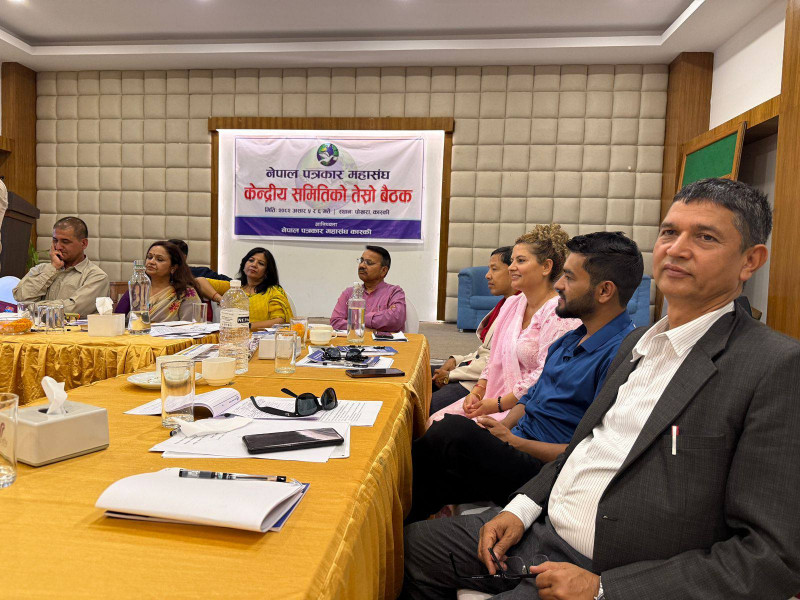
पाेखरामा सम्पन्न नेपाल पत्रकार महासंघ केन्द्रीय समितिको तेस्रो बैठक ">
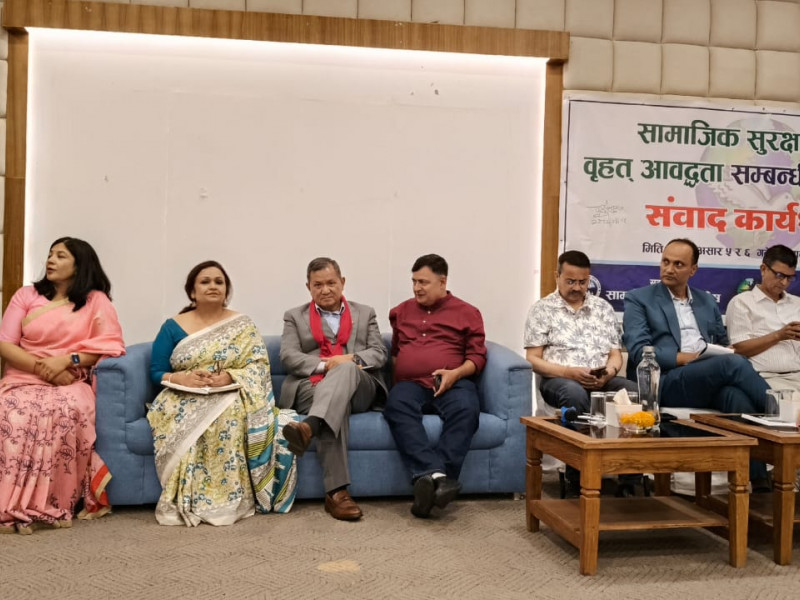
नेपाल पत्रकार महासंघ, केन्द्रीय समितिले पोखरामा आयोजना गरेको 'सामाजिक सुरक्षा कोषमा वृहत् आवद्धता' सम्बन्धी पत्रकारसँग संवाद कार्यशाला । ">
पत्रकार सुरेश रजकको रहस्यमय हत्याका सम्बन्धमा स्वतन्त्र छानविन गरी सत्यतथ्य पत्ता लगाई दोषीलाई कारबाहीको दायरामा ल्याउन उच्चस्तरीय स्वतन्त्र छानविन समिति गठन गर्न महासंघकाे माग ">
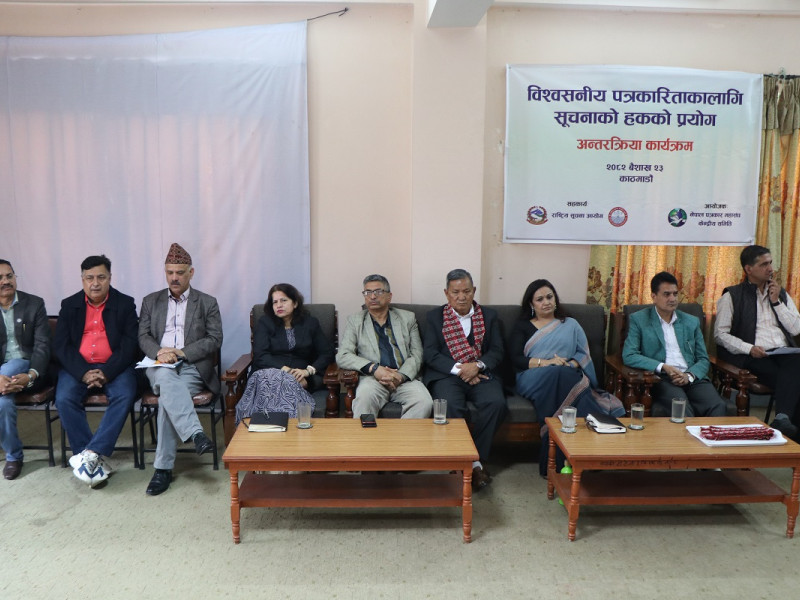
नेपाल पत्रकार महासंघद्वारा आयोजित विश्वसनीय पत्रकारिताका लागि सूचनाको हकको प्रयोग विषयक अन्तरक्रिया कार्यक्रमलाई सम्बोधन गर्दै सञ्चार तथा सूचना प्रविधि मन्त्री पृथ्वी सुब्बा गुरुङ। ">
पत्रकार आचारसंहिता र मिडिया हेर्ने एकीकृत कानुन आवश्यक
पत्रकार आचारसंहिता र मिडिया हेर्ने एकीकृत कानुन आवश्यक
पत्रकार आचारसंहिता र मिडिया हेर्ने एकीकृत कानुन आवश्यक
पाेखरामा सम्पन्न नेपाल पत्रकार महासंघ केन्द्रीय समितिको तेस्रो बैठक
पाेखरामा सम्पन्न नेपाल पत्रकार महासंघ केन्द्रीय समितिको तेस्रो बैठक
नेपाल पत्रकार महासंघ, केन्द्रीय समितिले पोखरामा आयोजना गरेको 'सामाजिक सुरक्षा कोषमा वृहत् आवद्धता' सम्बन्धी पत्रकारसँग संवाद कार्यशाला ।
नेपाल पत्रकार महासंघ, केन्द्रीय समितिले पोखरामा आयोजना गरेको 'सामाजिक सुरक्षा कोषमा वृहत् आवद्धता' सम्बन्धी पत्रकारसँग संवाद कार्यशाला ।
पत्रकार सुरेश रजकको रहस्यमय हत्याका सम्बन्धमा स्वतन्त्र छानविन गरी सत्यतथ्य पत्ता लगाई दोषीलाई कारबाहीको दायरामा ल्याउन उच्चस्तरीय स्वतन्त्र छानविन समिति गठन गर्न महासंघकाे माग
पत्रकार सुरेश रजकको रहस्यमय हत्याका सम्बन्धमा स्वतन्त्र छानविन गरी सत्यतथ्य पत्ता लगाई दोषीलाई कारबाहीको दायरामा ल्याउन उच्चस्तरीय स्वतन्त्र छानविन समिति गठन गर्न महासंघकाे माग
नेपाल पत्रकार महासंघद्वारा आयोजित विश्वसनीय पत्रकारिताका लागि सूचनाको हकको प्रयोग विषयक अन्तरक्रिया कार्यक्रमलाई सम्बोधन गर्दै सञ्चार तथा सूचना प्रविधि मन्त्री पृथ्वी सुब्बा गुरुङ।
नेपाल पत्रकार महासंघद्वारा आयोजित विश्वसनीय पत्रकारिताका लागि सूचनाको हकको प्रयोग विषयक अन्तरक्रिया कार्यक्रमलाई सम्बोधन गर्दै सञ्चार तथा सूचना प्रविधि मन्त्री पृथ्वी सुब्बा गुरुङ।
सबै समाचार हेर्नुहोस
प्रेस विज्ञप्ति
सबै हेर्नुहोस
महोत्तरीस्थित पूर्वाधार विकास कार्यालय जलेश्वरको बारेमा प्रसारित समाचारलाई लिएर पछिल्लो पटक पत्रकारलाई जोडेर सामाजिक सञ्जालमा व्यक्त भइरहेको धारणप्रति नेपाल पत्रकार महासंघको ध्यानाकर्षण
New
प्रकाशित समाचार हटाउन धम्की दिएकोमा नेपाल पत्रकार महासंघको ध्यानाकर्षण
New
पत्रकारलाइ दुर्व्यवहार गरिएकाे घटनाप्रति नेपाल पत्रकार महासंघकाे ध्यानाकर्षण
New
चलचित्र पत्रकार संघको कार्यक्रममा भाग लिने क्रममा तालिममा पुगेका पत्रकारमाथि स्वास्थ्य कार्यालय पर्साका अधिकृत जयमोद ठाकुरले गालीगलौज र दुर्व्यवहार गरेकोमा नेपाल पत्रकार महासंघको ध्यानाकर्षण
New
सूचना
सबै हेर्नुहोस
Terms of Reference (ToR) का लागि म्याद थप सम्बन्धी सूचना -
२०८२ आषाढ ०१
Terms of Reference (ToR) -
२०८२ जेठ २३
बेस्ट मिडिया अवार्डका लागि आवेदन आह्वान -
२०८२ बैशाख ०३
Call for Expression of Interest (EOI) -
२०७८ पौष ०९
सुचना अधिकारी
प्रेस स्वतन्त्रता रिपोर्ट
सबै हेर्नुहोस
Press Freedom Report: 2024
प्रतिवेदन
२०८१ पौष २६
सन् २०२४ मा प्रेस स्वतन्त्रता हननका घटनामा वृद्धि
प्रतिवेदन
२०८१ पौष १६
प्रेस स्वतन्त्रता वार्षिक प्रतिवेदन
प्रतिवेदन
२०८१ बैशाख २१
प्रेस स्वतन्त्रता हननको डेटाबेस
स्टोरी पोस्ट गर्नुहोस्
स्टोरी पोस्ट गर्नुहोस्
स्टोरीहरू हेर्नुहोस
फोटो ग्यालरी
View All
नेपाल पत्रकार महासंघ, केन्द्रीय समितिको २०८२ असार ५ र ६ गते पाेखरामा सम्पन्न तेस्रो पूर्ण बैठक
नेपाल पत्रकार महासंघ, केन्द्रीय समितिले पोखरामा आयोजना गरेको 'सामाजिक सुरक्षा कोषमा वृहत् आवद्धता' सम्बन्धी पत्रकारसँग संवाद कार्यशाला
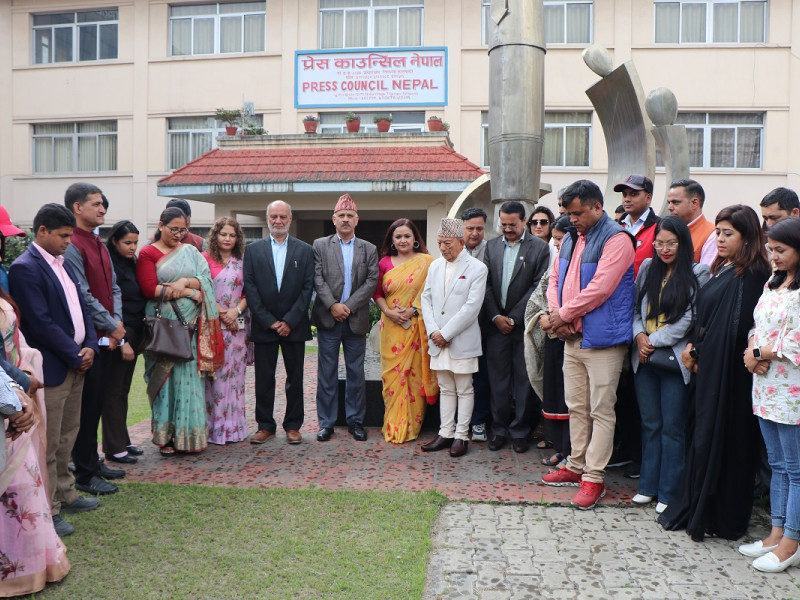
विश्व प्रेस स्वतन्त्रता दिवस २०२५ का अवसरमा नेपाल पत्रकार महासंघद्वारा आयोजित कार्यक्रमका केही तस्विर ।
नेपाल पत्रकार महासंघद्वारा आयोजित विश्वसनीय पत्रकारिताका लागि सूचना हकको प्रयोग विषयक अन्तरक्रिया कार्यक्रमका तस्विर ।
भिडियो ग्यालरी
सबै हेर्नुहोस
आर्थिक गतिविधि
सबै हेर्नुहोस
DAMAN CCM FiINANCIAL REPORT April- September , 2021
Kapilvastu CCM meeting Financial- August- December 2021
FNJ, Financial Report presented at Nagarkot Meeting, Jan-July, 2022
Follow Us On Facebook
Follow Us On Twitter
Tweets by FNJNepal


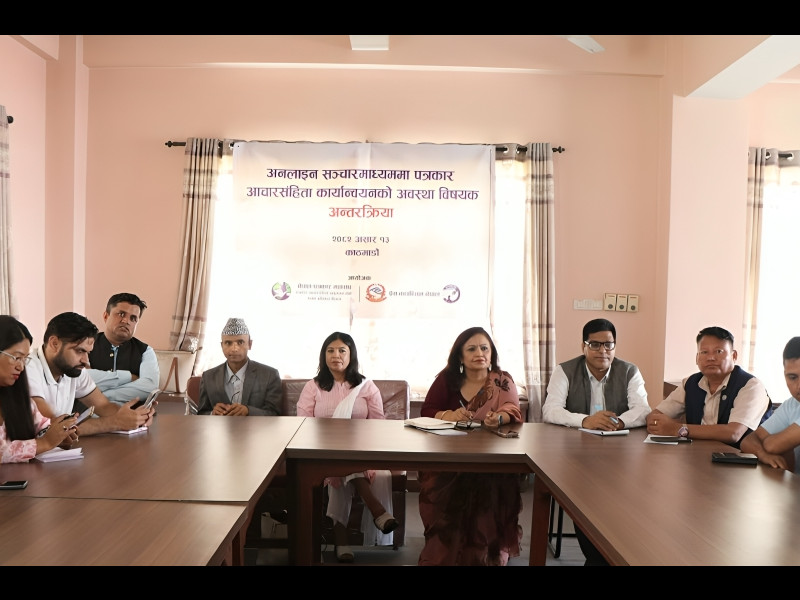 पत्रकार आचारसंहिता र मिडिया हेर्ने एकीकृत कानुन आवश्यक
">
पत्रकार आचारसंहिता र मिडिया हेर्ने एकीकृत कानुन आवश्यक
">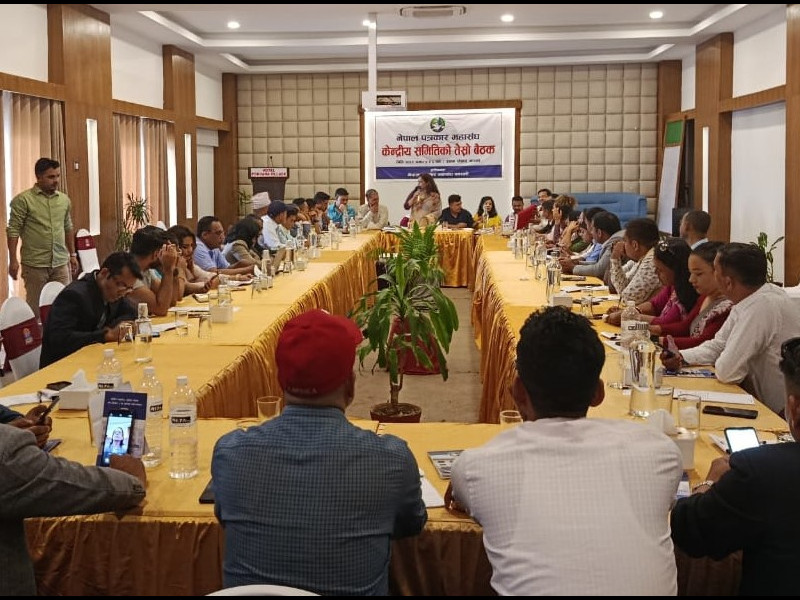 पाेखरामा सम्पन्न नेपाल पत्रकार महासंघ केन्द्रीय समितिको तेस्रो बैठक
">
पाेखरामा सम्पन्न नेपाल पत्रकार महासंघ केन्द्रीय समितिको तेस्रो बैठक
">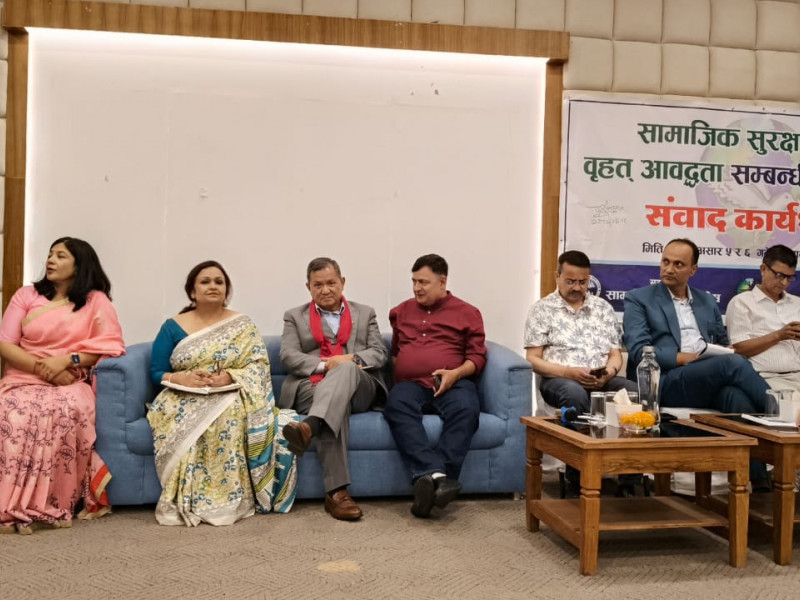 नेपाल पत्रकार महासंघ, केन्द्रीय समितिले पोखरामा आयोजना गरेको 'सामाजिक सुरक्षा कोषमा वृहत् आवद्धता' सम्बन्धी पत्रकारसँग संवाद कार्यशाला ।
">
नेपाल पत्रकार महासंघ, केन्द्रीय समितिले पोखरामा आयोजना गरेको 'सामाजिक सुरक्षा कोषमा वृहत् आवद्धता' सम्बन्धी पत्रकारसँग संवाद कार्यशाला ।
">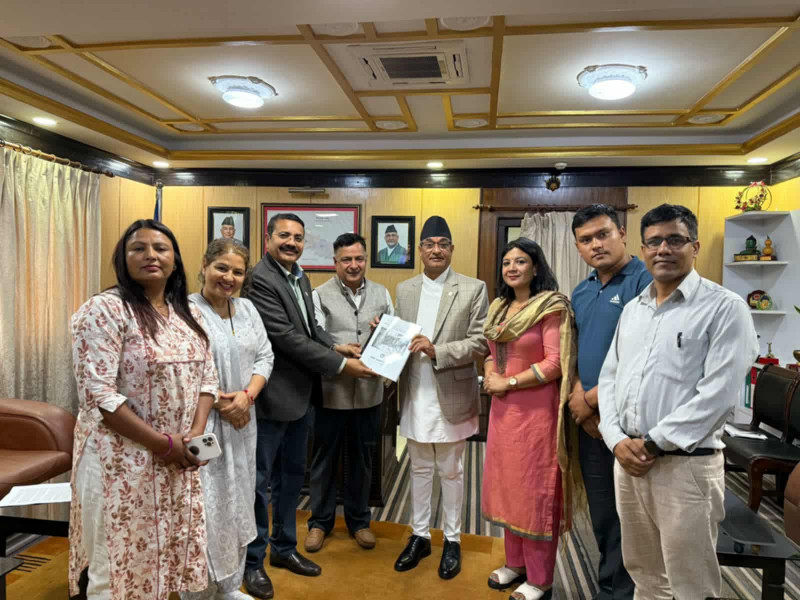 पत्रकार सुरेश रजकको रहस्यमय हत्याका सम्बन्धमा स्वतन्त्र छानविन गरी सत्यतथ्य पत्ता लगाई दोषीलाई कारबाहीको दायरामा ल्याउन उच्चस्तरीय स्वतन्त्र छानविन समिति गठन गर्न महासंघकाे माग
">
पत्रकार सुरेश रजकको रहस्यमय हत्याका सम्बन्धमा स्वतन्त्र छानविन गरी सत्यतथ्य पत्ता लगाई दोषीलाई कारबाहीको दायरामा ल्याउन उच्चस्तरीय स्वतन्त्र छानविन समिति गठन गर्न महासंघकाे माग
">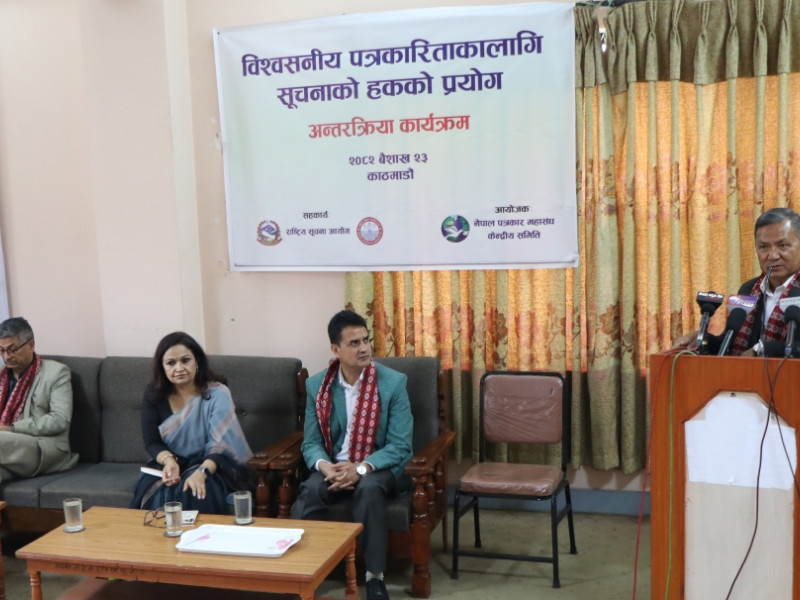 नेपाल पत्रकार महासंघद्वारा आयोजित विश्वसनीय पत्रकारिताका लागि सूचनाको हकको प्रयोग विषयक अन्तरक्रिया कार्यक्रमलाई सम्बोधन गर्दै सञ्चार तथा सूचना प्रविधि मन्त्री पृथ्वी सुब्बा गुरुङ।
">
नेपाल पत्रकार महासंघद्वारा आयोजित विश्वसनीय पत्रकारिताका लागि सूचनाको हकको प्रयोग विषयक अन्तरक्रिया कार्यक्रमलाई सम्बोधन गर्दै सञ्चार तथा सूचना प्रविधि मन्त्री पृथ्वी सुब्बा गुरुङ।
">